By Ahsan Ali
By noon in a Lahore summer, your face looks like you have been frying pakoras. Blotting papers pile up in your bag. That shiny, greasy feeling is not just a beauty annoyance. For many Pakistani women, it is a daily battle that starts the moment they step out of the house.
Here is the thing: oily skin is not your enemy. Those natural oils, called sebum, actually protect your skin and slow down ageing. The problem is when Pakistan’s heat and humidity kick your sebaceous glands into overdrive, producing far more oil than your skin needs.
This guide is your complete plan for managing oily skin in our climate. We will cover why your skin gets so oily here, how to build a daily routine that actually works, which ingredients are worth your money and when a professional facial makes all the difference.
Why Oily Skin Hits Harder in Pakistan
Genetics decide your skin type, but climate decides how much it bothers you. In Pakistan, three things gang up on oily skin. First, the heat. Temperatures above 35 degrees tell your oil glands to work overtime. Second, the humidity, especially in monsoon season, keeps sweat and oil trapped on your skin instead of evaporating.
Third, the air itself. Dust, smoke and pollution in cities like Karachi, Lahore and Faisalabad mix with surface oil and settle into your pores. That is why breakouts flare up more here than in cooler, cleaner climates. Your skin is not misbehaving. It is responding exactly as it should to a tough environment.
Read more: Dull Skin to Glow: Complete Winter Skincare Routine
Know Your Skin Before You Treat It
Before you buy a single product, confirm you actually have oily skin. The test is simple. Wash your face with a gentle cleanser in the morning and do not apply anything. By noon, press a clean tissue against your forehead, nose and cheeks.
If the tissue picks up oil from your whole face, you have oily skin. If only the T-zone (forehead, nose, chin) is oily while your cheeks feel normal, you have combination skin and should treat each zone differently. Many women who think they have oily skin actually have combination skin, and using harsh products all over only makes the dry areas worse.
Also watch for the signs of over-cleansing. Tight, squeaky skin after washing is not clean skin. It is stripped skin, and it usually responds by producing even more oil. If your face feels tight and shiny at the same time, your routine is too aggressive.
Your Daily Oily Skin Routine: Morning and Night
A good routine for oily skin is simple and consistent. More products do not mean better results. Here is what dermatologists actually recommend, in order.
Morning: Start with a gentle foaming or gel cleanser. It removes the oil that built up overnight without stripping your skin. Follow with a lightweight, alcohol-free toner if you like one, but skip it if your skin feels fine without it. Then apply a niacinamide serum, which we will talk about below. Finish with an oil-free, non-comedogenic moisturiser. Yes, oily skin needs moisturiser too. Skipping it tells your skin to produce more oil. Finally, sunscreen. Use a gel-based or matte-finish SPF 30 or higher every single day, even indoors near windows.
Night: Double cleanse if you wear makeup or heavy sunscreen. First an oil-based cleanser or micellar water to dissolve the day, then your regular gentle cleanser. Apply your treatment serum, salicylic acid two or three nights a week, not every night. Then moisturise. Night creams can be slightly richer than your daytime one, but still non-comedogenic.
Consistency beats intensity. A simple routine you follow every day will outperform an expensive 10-step routine you abandon after two weeks.
Read more: Salon Treatment Prices in Pakistan: Honest 2026 Guide
The Ingredients That Actually Work on Oily Skin
The skincare market is full of noise, so let us focus on the ingredients with real evidence behind them. Salicylic acid is the gold standard for oily skin. It is oil-soluble, which means it can get inside your pores and dissolve the gunk that causes blackheads and whiteheads. Look for it in cleansers and leave-on treatments at 0.5 to 2 percent.
Niacinamide, a form of vitamin B3, is the multitasker. It visibly reduces pore size, regulates sebum production and calms redness, all at once. A 5 to 10 percent niacinamide serum is one of the best investments an oily-skinned person can make.
Retinoids, like adapalene, speed up cell turnover and prevent clogged pores over time. They are powerful but need patience. Start slowly, use them only at night and always pair them with sunscreen during the day.
And do not overlook clay. A kaolin or bentonite clay mask once or twice a week absorbs excess oil beautifully. In Pakistan, the classic desi version is multani mitti, fuller’s earth. Mixed with rose water into a paste, it makes an excellent weekly mask that costs almost nothing. Just do not let it dry rock-hard on your face. Rinse it off while it is still slightly damp to avoid over-drying.
What to Avoid If Your Skin Is Oily
Some habits make oily skin worse, and a few are very common in Pakistan. Scrubbing your face with harsh physical exfoliants, like apricot scrubs, creates micro-tears and triggers more oil production. Over-washing, more than twice a day, does the same thing.
Alcohol-based toners feel satisfying because they strip oil instantly, but the rebound oiliness an hour later is worse than what you started with. Heavy coconut oil or petroleum-based moisturisers can clog pores on oily skin, even though they work fine on dry skin.
Also, be careful with desi totkas that are too harsh. Lemon juice applied directly to the face can cause burns and dark patches in sunlight. Baking soda scrubs wreck your skin’s protective barrier. Stick to gentle, proven remedies and leave the experiments to your kitchen, not your face.
When a Professional Facial Is Worth It
Home care handles daily maintenance, but some things need professional hands. Deep blackheads, congested pores that do not clear with salicylic acid and recurring breakouts all respond well to a proper facial with professional-grade exfoliation and extraction.
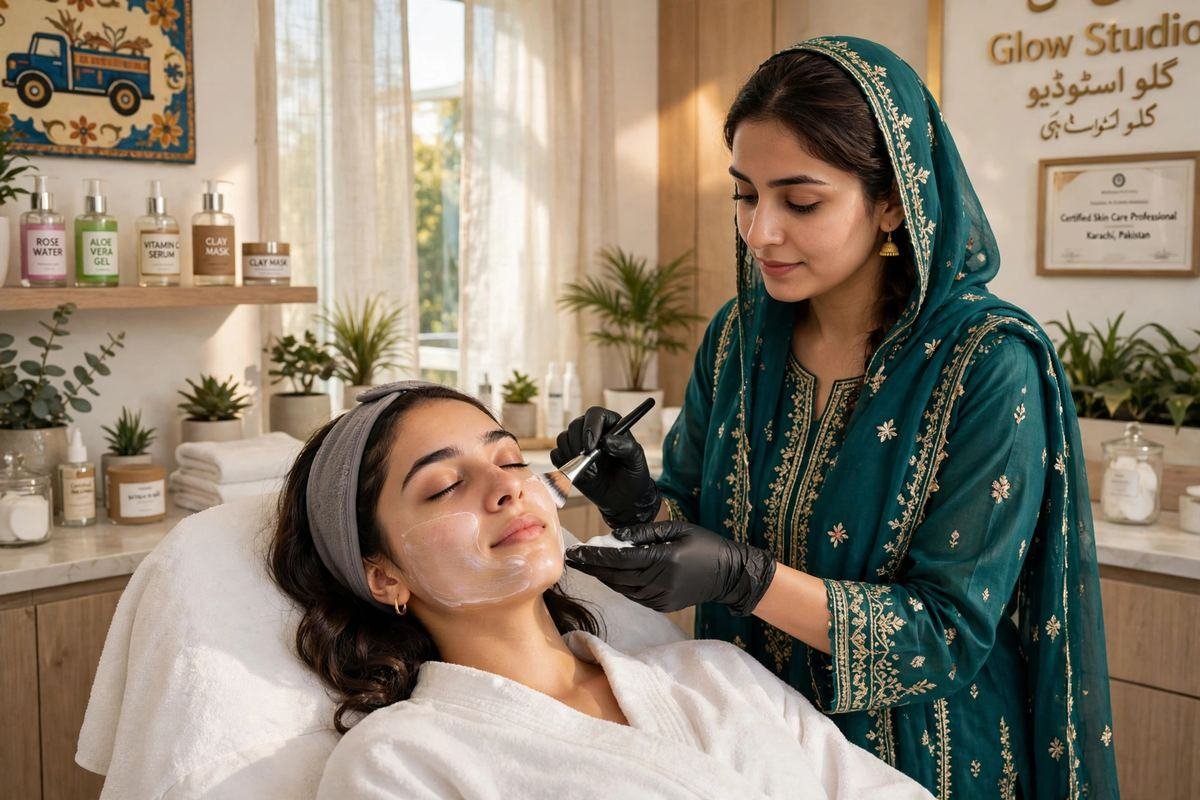
A good oily-skin facial usually includes deep cleansing, steam to open the pores, careful manual extraction, a clay or enzyme mask and high-frequency treatment to calm the skin. Done by a trained therapist, this resets your skin in a way home products cannot.
How often? For oily skin, a professional facial every four to six weeks keeps pores clear and breakouts under control. In summer, when oil production peaks, some women benefit from going every three to four weeks.
Choosing professional face treatment services matters because technique makes all the difference. Bad extractions scar. Good ones, done hygienically with the right pressure, clear pores without damage. Always check that your salon uses sterilised tools and fresh linens.
Oily Skin and Makeup: Make It Last All Day
Oily skin eats makeup for breakfast. By afternoon, foundation slides and the T-zone shines through. The fix starts with prep, not more product. After your morning routine, apply a mattifying primer only on the T-zone. Choose a long-wear, oil-free foundation and set it with a light dusting of translucent powder.
Carry blotting papers, not powder, for touch-ups. Pressing powder over oil just cakes it. Blotting lifts the oil away cleanly. If you need extra staying power for a wedding or event, a setting spray formulated for oily skin locks everything in place.
And always, always remove your makeup fully at night. Sleeping in foundation on oily skin is practically an invitation for clogged pores. Double cleansing takes two extra minutes and saves you weeks of breakouts.
For events, smooth hair-free skin also photographs better, and many women pair their skincare prep with waxing services a day or two before. Just do not wax and get a facial on the same day. Give your skin 48 hours between treatments.
Read more: 10 Bridal Makeup Mistakes That Ruin Wedding Photos
Eating and Living for Clearer Skin
Skincare works from the outside, but lifestyle works from the inside. High-glycaemic foods, sugary drinks, white bread, mithai in large amounts, can spike insulin and trigger more oil production in some people. You do not need a strict diet, but cutting back on sugary sodas and excessive sweets often shows on the skin within weeks.
Water matters more than any serum for overall skin health. In our heat, dehydration shows up fast as dull, tired-looking skin. Aim for 8 to 10 glasses a day, more in summer.
Stress is another hidden trigger. Exam season, wedding planning, work pressure, they all raise cortisol, which raises oil production. Sleep is when your skin repairs itself, so those late nights scrolling your phone have a visible cost. Seven to eight hours makes a real difference.
Take Control of Your Oily Skin
Oily skin in Pakistan is not a flaw. It is your skin doing its job in a demanding climate. With the right routine, the right ingredients and occasional professional help, you can keep the shine under control and enjoy the one real advantage of oily skin: it ages more slowly than dry skin.
Ready to get your oily skin under control? Contact R Zara Salon to book your appointment today.
—