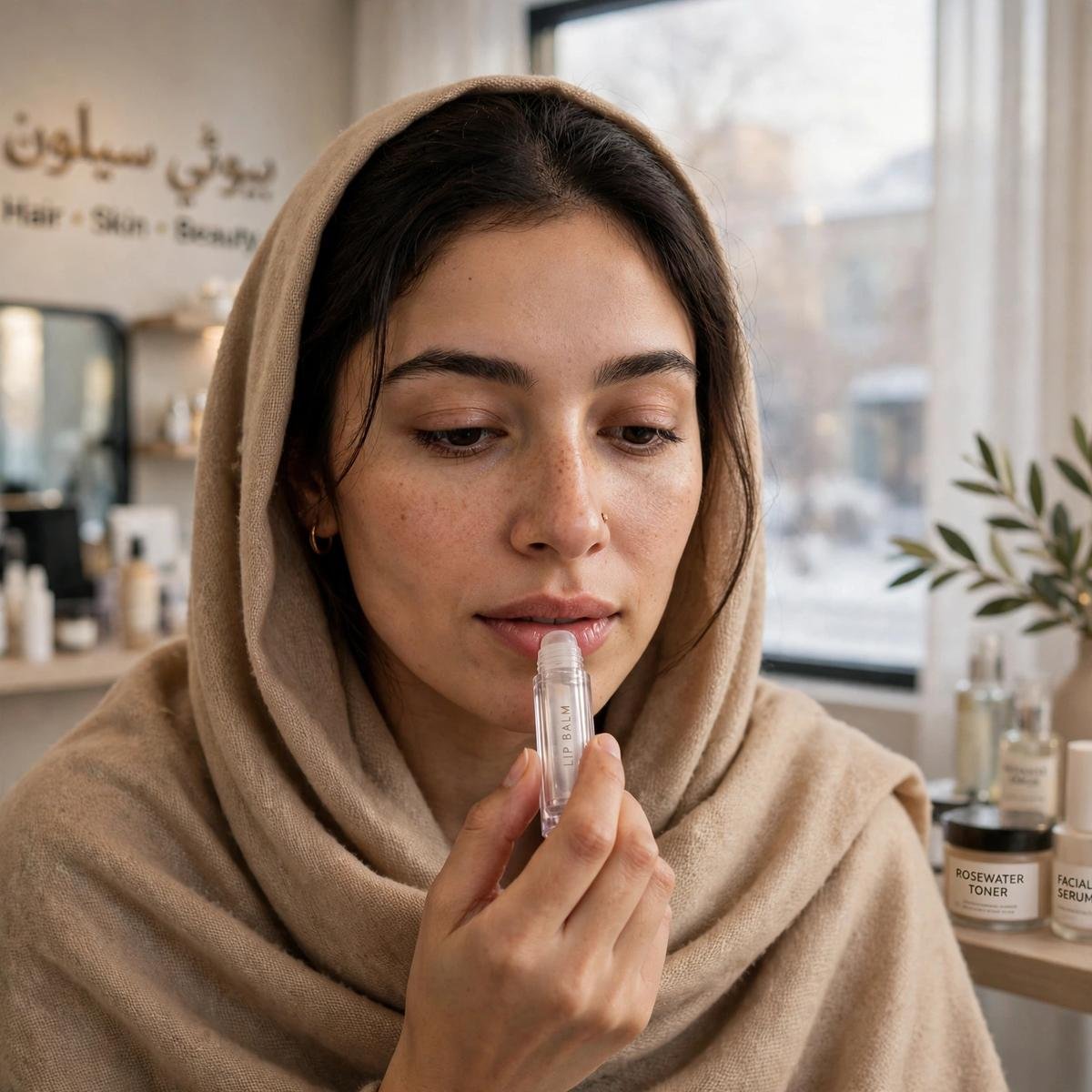
If you have ever woken up on a cold Faisalabad morning with tight, flaky lips, you already know the problem. Dry chapped lips are one of winter's most annoying little miseries. They sting when you smile, they crack when you talk and they make even your favourite lipstick look patchy and uneven.
The good news is that most dry chapped lips heal fast with the right care. You do not need expensive imported products or a complicated routine. A few honest habits, some kitchen remedies your grandmother would approve of and one good lip balm are usually enough to turn things around within a week or two.
Why Your Lips Dry Out So Fast in Winter
Your lips are built differently from the rest of your skin. The skin on your lips is extremely thin, with only a few layers of cells, and it has almost no oil glands of its own.
That means your lips cannot moisturise themselves the way your cheeks or forehead can. They depend entirely on what you put on them and the air around them.
Faisalabad's winter is a perfect storm for lips. December and January bring dense fog, cold dry air and long nights with heaters running indoors. Cold air holds very little moisture, and indoor heating dries the air even further, so your lips lose water every time you step out into the fog or sit near a heater.
Breathing through your mouth makes it worse, and winter colds force many of us to do exactly that. Once you know the cause, the fix becomes obvious: protect the barrier and replace the moisture.
The Mistakes That Make Dry Chapped Lips Worse
Most of us make our lips worse without realising it, and the number one culprit is licking them. It feels like instant relief, but saliva contains digestive enzymes that break down the delicate skin on your lips.
The water in saliva also evaporates quickly, leaving your lips drier than before. Every lick restarts the cycle, so the more you lick, the worse it gets.
Picking and peeling is the second big mistake. Those little flakes are tempting, but pulling them off tears healthy skin underneath and can open small cracks that bleed.
Once a crack is open, it heals slowly and hurts every time you eat, drink or smile. Leave the flakes alone and let a good balm soften them instead.
The third mistake is the wrong lip product. Balms that tingle or sting usually contain menthol, camphor or peppermint, and dermatologists warn that these ingredients irritate sensitive lips and keep them inflamed. If your balm stings, stop using it.
Finally, do not scrub your lips raw. Harsh sugar scrubs, toothbrushes and rough towels strip away the fragile top layer and leave your lips more exposed than before. Gentle exfoliation once a week is plenty, and on cracked lips you should skip it entirely until they heal.
Read more: Anti-Ageing Skincare in Your 30s: Where to Start
A Simple Daily Routine for Soft Lips
You do not need a ten-step routine for your lips. Three moments in the day cover almost everything, and the whole routine takes less than a minute.
Start your morning by applying lip balm before anything else. Do it before breakfast, before chai and before lipstick.
A plain, fragrance-free balm with petroleum jelly, beeswax, shea butter or ceramides seals in moisture and protects your lips from the cold air outside. If you wear lipstick, the balm underneath also stops colour from settling into fine lines and cracks.
Reapply through the day, especially after eating and drinking. Most people apply balm once in the morning and then forget about it, but one application cannot survive meals, chai and hours of talking.
Keep one balm in your bag, one on your desk and one by your bed. Dermatologists suggest reapplying every couple of hours when your lips are already dry.
Night is when the real repair happens. Before bed, apply a thick layer of plain petroleum jelly or a rich lip ointment.
This overnight mask works while you sleep, when your lips are not being disturbed by food, drink or talking. Many people see a clear difference after just two or three nights of this one habit.
One more habit matters more than people think: drink water through the day. Dehydration shows up on your lips early, and no balm can fully fix lips when your body itself is short of water.
Desi Totkas That Actually Help Your Lips
Pakistani kitchens hold some genuinely useful lip remedies, and a few of them have real science behind them. The trick is knowing which totkas help and which ones only sound good.
Desi ghee is the classic. A tiny dab of pure desi ghee on your lips at night works as a rich, natural sealant, full of healthy fats that soften the skin and lock in moisture. Use a clean finger, apply a thin layer and let it work overnight.
Honey is another honest remedy. Raw honey draws moisture toward the skin and has mild antibacterial properties, which is why it has been used on small wounds for centuries. Apply a thin layer for ten to fifteen minutes, then rinse and follow with balm.
Rose petals and milk make a gentle overnight treatment that suits wedding season perfectly. Soak a few fresh rose petals in cold milk for an hour, mash them into a soft paste and apply it to your lips for fifteen minutes before bed. Rinse, pat dry and seal with petroleum jelly for soft, naturally pink lips.
Read more: Winter Pedicure Care Guide: Fix Dry Cracked Feet
Choosing the Right Lip Balm (and What to Avoid)
Walk into any store in Faisalabad and you will find dozens of lip balms, but most of them are not equal. The best balm for dry chapped lips is boring on purpose: plain, fragrance-free and thick enough to stay put.
Look for these ingredients on the label. Petroleum jelly is the gold standard for sealing in moisture, and it is hypoallergenic for almost everyone. Beeswax gives balm its staying power, while shea butter, cocoa butter and ceramides add softness and help repair the skin barrier itself.
Avoid balms that list menthol, camphor, eucalyptus, peppermint, cinnamon, fragrance or flavouring near the top of the ingredients. These are common irritants that keep sensitive lips inflamed. Switching to a plain balm usually breaks that cycle within days.
Sun protection matters too, even in winter. Faisalabad's winter fog does not block UV rays the way people assume, so choose a lip balm with SPF 30 for long stretches outdoors and reapply it every two hours, just like sunscreen.
When Dry Lips Need a Doctor, Not a Home Remedy
Most dry chapped lips heal within two to three weeks of steady basic care. But some signs mean it is time to stop home treatment and get professional advice, and recognising them early saves you weeks of frustration.
See a doctor if your lips keep cracking and bleeding despite two weeks of careful balm use. Cracks at the corners of the mouth that will not heal, especially with redness or crusting, can point to infection or vitamin deficiency and need proper treatment rather than more balm. The same applies if your lips are painful, swollen or oozing, or if the problem keeps coming back in the same spot.
Some medicines dry the lips as a side effect. Acne treatments based on isotretinoin are famous for this, and some antihistamines and blood pressure medicines can contribute too.
If your lip dryness started soon after a new medicine, mention it to the doctor who prescribed it rather than stopping the medicine on your own. If you have diabetes, take lip cracks seriously as well, since slower healing means even small splits deserve professional attention.
Certain health conditions also show up on the lips. Persistent dryness along with tiredness, pale skin or a restricted diet can sometimes be linked to low iron or low vitamin B levels.
A doctor can check this with a simple blood test and advise you properly. This article cannot diagnose you, but it can tell you when the honest next step is a clinic visit instead of another totka.
Read more: How to Remove Makeup Without Damaging Your Skin
Your Winter Lip Care Plan for Wedding Season
Wedding season is when your lips face their toughest test: long-wear lipstick several nights a week, late nights and little sleep. A little planning keeps your lips photo-ready through all of it.
Start preparing a week before the first big function. Follow the daily routine above and do the rose petal and milk treatment twice that week.
On the day itself, apply balm first and let it sink in for ten minutes before lipstick. This single pause makes lipstick sit smoothly instead of cracking into lines by the second hour.
Remove lipstick gently at night. Hold a cotton pad soaked in oil-based remover or coconut oil over your lips for ten seconds, then wipe softly downward once.
Never scrub long-wear colour off, because scrubbing leaves lips dry, cracked and darker over time. After removing makeup, apply your overnight petroleum jelly layer and let your lips recover while you sleep.
Between functions, treat yourself to a professional touch. A facial treatment at a good salon includes gentle lip care as part of the full routine, and a therapist can spot dehydration before it becomes a real problem. Many brides also book their upper lip waxing a day or two before the event, and professional pedicure services in the same visit complete the head-to-toe finish.
Your lips do a lot of quiet work for you: every smile, every conversation, every cup of chai. Give them the same simple care you give the rest of your face, and they will repay you all winter long. If you would like professional help with your winter skincare routine, contact R Zara Salon in Faisalabad to book an appointment or a free consultation with our team.