By Mohsin Ali
Long Lasting Party Makeup: Tips for Events
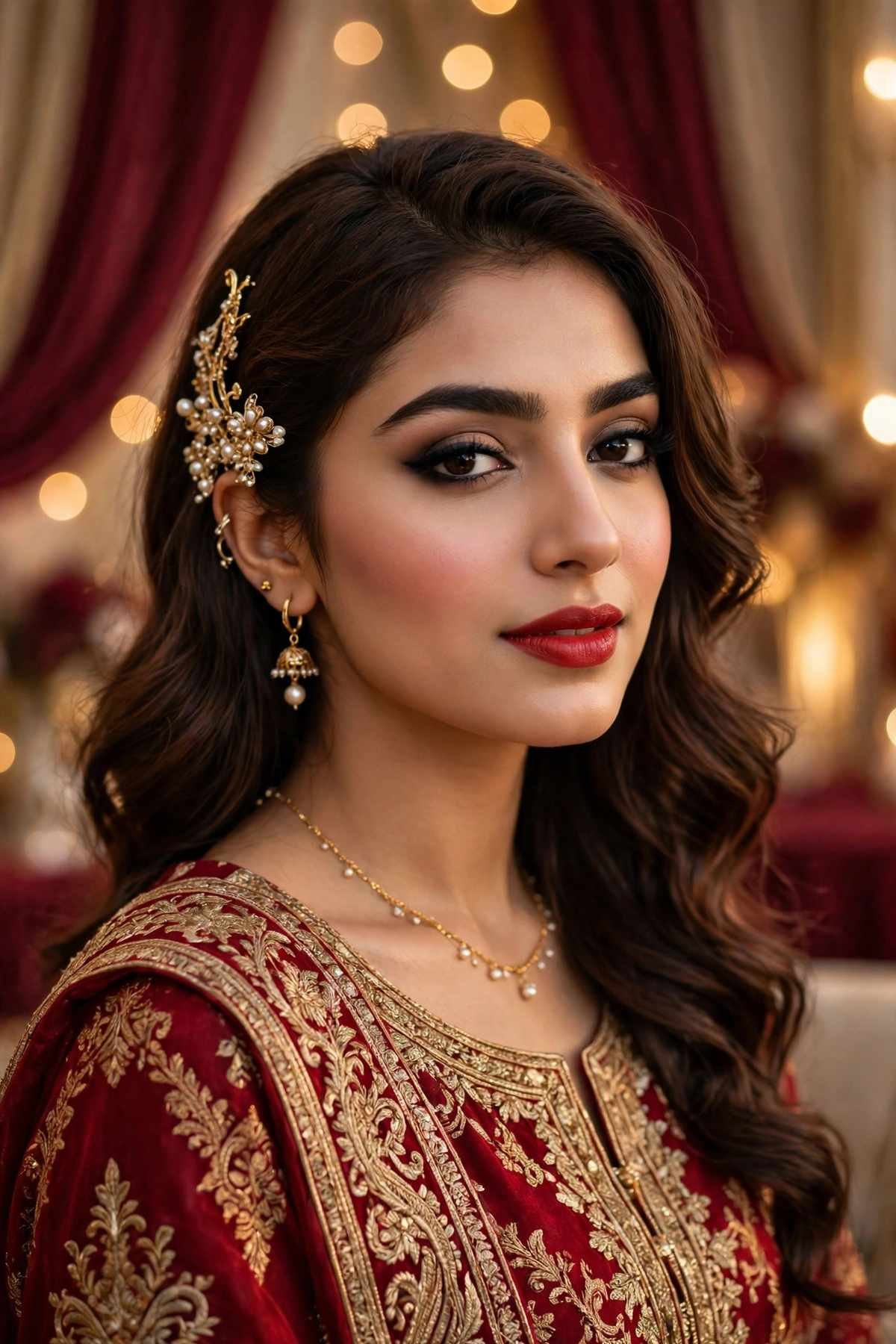
You have probably watched your long lasting party makeup melt away before the photographs even begin. One hour into a Faisalabad barat, your foundation has shifted, the kajal has smudged and the lipstick is only a memory. The good news is that makeup which fades early is not bad luck. It is almost always a technique problem, and technique can be fixed.
This guide breaks down exactly how makeup artists keep a face fresh through a full night of dancing, dinners and selfies. No magic products are required. Just the right order of steps, a few honest product choices and an understanding of what your skin does under party lights.
Why Party Makeup Melts Before the Function Ends
Heat is the first enemy. Warm skin makes products slide before they have had time to set, and heat breaks down the formulation of products so foundation and concealer separate faster. Faisalabad’s December wedding halls are usually packed wall to wall, and the combined body heat turns the hall into a furnace by the third dance.
Humidity is the second enemy, even in winter. Sweat is your makeup’s real nemesis: its water content loosens the grip of products on your skin while its salt and oils break down pigments and binders. When the air is already heavy with moisture, sweat cannot evaporate, so it sits on your face and slowly dissolves everything you applied.
Your skin’s own oil is the third enemy. Oil breaks down makeup through the night, and women with oily skin notice slippage even without much dancing. Friction adds a final blow. Every time you rub your face, adjust your dupatta or press your phone to your cheek, you wipe away layers. Knowing these four enemies changes how you build your whole routine.
The Skin Prep That Holds Everything Up
Great party makeup starts on clean, balanced skin. Makeup applied over skin that is overly dry, excessively oily or not properly cleansed simply cannot grip. Wash your face with a gentle cleanser, then apply a lightweight moisturiser that suits your skin type.
Wait ten to fifteen minutes after skincare before you touch any makeup. If you rush, your foundation mixes with still-wet moisturiser and never truly sets. Makeup artists always let skincare absorb fully first, and this single habit adds hours to your wear time.
Oily skin does better with a gel or water-based moisturiser than a rich cream, because heavy cream leaves a slippery layer that foundation slides on. Dry skin needs the opposite. A properly hydrated base stops foundation from clinging to dry patches and looking patchy by midnight. If your skin feels dull or congested before event season, a professional facial a week before gives you the smoothest possible canvas. Many of our clients pair it with professional waxing a few days earlier, so their skin is smooth and calm well before the function.
Read more: Facial vs Clean-Up: Which One Does Your Skin Actually Need?
Primer: The Step Everyone Skips
Primer is the bridge between your skincare and your makeup, and it is the most skipped step in Pakistani home routines. Unlike a moisturiser, which is designed to be absorbed, a primer is designed to sit on top of your skin as a lightweight layer. That barrier means less oil and sweat gets through to your makeup, so it lasts visibly longer.
Silicone-based primers, usually with dimethicone in the ingredient list, fill in pores and fine lines and give foundation a smooth surface to grip. Mattifying primers with ingredients like silica absorb excess oil, which makes them the right choice for oily T-zones. Hydrating primers with glycerin or hyaluronic acid suit dry skin, because they keep the skin plump underneath the foundation.
Here is the rule most women get wrong. Match your primer to your foundation. A water-based primer goes under a water-based foundation, and a silicone-based primer goes under a silicone-based foundation. Mixing the two bases is the classic cause of foundation that looks patchy the moment it goes on. Apply a pea-sized amount, press it into the skin and give it a minute to set.
Foundation Techniques for Long Wear
Choose lightweight, long-wearing formulas over heavy full-coverage ones for events. Thin, even layers last far longer than one thick coat, because a thick layer never sets properly and breaks apart as your skin moves. A damp sponge pressed into the skin gives the most natural long-wear finish.
Cream products, including cream blush and cream contour, should be set with a light dusting of translucent powder. That powder layer absorbs oil as the night goes on and stops the cream from migrating into your smile lines. Use a small amount and press it on, never sweep, so you do not disturb what you just blended.
Concealer needs the same patience. Apply it in thin layers, let each layer settle and then set it with powder immediately. The under-eye area creases first, because the skin there is thin and moves constantly when you smile. A little extra powder pressed into this zone in the evening pays off by midnight.
Eyes That Survive the Whole Night
Eyeshadow creases because oils from your lids mix with the powder, so an eyeshadow primer is non-negotiable for events. Just as your face primer grips foundation, an eye primer gives shadow something to hold on to. Skip it and your crease will be a muddy line by the second song.
After applying gel or liquid eyeliner, set it with a matching dark eyeshadow using a small angled brush. The shadow locks the liner in place and adds depth at the same time. For kajal on the waterline, warm the pencil on the back of your hand first so it glides on without dragging, then set the outer corners with shadow.
Waterproof mascara is the right call for events, because tears, steam from the buffet line and December fog are all real threats. One caution from makeup artists. Waterproof formulas cling hard, so they need an oil-based cleanser at night, never rough rubbing with wipes. Never layer two waterproof mascaras, since that causes clumping and flaking rather than extra hold.
Read more: Eyebrow Shaping Guide: Get Brows That Actually Suit Your Face
Locking It In: Setting Spray and Powder
Setting spray is the final lock on everything you just built. Polymer-based sprays, with ingredients like acrylates, form an extremely thin flexible film over your makeup as the water in the formula evaporates. That film resists smudging, fading and transferring through the whole night. Alcohol-free formulas give the same hold without drying the skin.
The technique matters as much as the product. Hold the bottle at arm’s length, close your eyes and mist in an X pattern across your face. One light pass is enough. Too much spray leaves the skin feeling sticky, and too much powder looks dry and cakey under harsh hall lights. Some artists also mist before foundation, on bare primed skin, for an extra grip layer.
For the T-zone, a pressed powder compact in your clutch beats a setting spray touch-up mid-event. Press the powder onto the forehead, nose and chin to absorb fresh oil without adding more product. Loose powder is better at home, but a compact is the practical party companion.
If primers and setting sprays sound like a lot to get right at home, a salon makeup session takes the guesswork out. Professionals layer these products every day and know exactly how much each skin type needs.
Your Touch-Up Kit and Emergency Fixes
Pack a tiny emergency kit and you will never panic in a washroom queue again. Your kit needs exactly four things: blotting papers, a pressed powder compact, your lipstick and a cotton bud. Blotting papers remove sweat and oil without moving your makeup, which is something tissues cannot do.
When sweat appears, blot, never rub. Press the paper gently against the skin and lift it away, then press powder only where the shine was. Rubbing drags foundation off in patches and leaves you looking worse than the shine did. If liner has smudged under your eyes, roll a damp cotton bud along the smudge to clean it, then tap a little powder over the area.
Lipstick fades fastest at events, because you are eating, drinking and talking all night. After applying lipstick, press a tissue over your lips, dust a whisper of translucent powder through the tissue and then apply a second layer. This sandwich technique doubles wear time. Matte formulas also outlast glossy ones, so save the gloss for the first hour if you must.
Read more: How to Remove Makeup Without Damaging Your Skin
Want your party makeup done by someone who does this every week? Visit our contact page to book your event makeup at R Zara Salon in Faisalabad, and walk into your next barat with a face that lasts as long as the celebration.