By Ahsan Ali
Anti-Ageing Skincare in Your 30s: Where to Start
Turning 30 feels like a quiet milestone, but your skin notices it before you do. If you’re starting anti-ageing skincare in your 30s, you’re actually beginning at the right moment — not too early and definitely not too late. This guide gives you the honest, practical steps that genuinely work for Pakistani skin, without the fear and without the hype.
You don’t need a shelf full of expensive products or a 10-step routine. You need a few proven ingredients, some patience and habits that support your skin every day. Let’s break it down, step by honest step.
What Changes in Your Skin After 30
From your mid-20s, your skin’s collagen production starts to slow down by roughly 1% each year. Collagen is the protein that keeps skin firm and springy, so this slow decline eventually shows up as fine lines, slightly saggy skin and larger-looking pores. Most women begin to notice these changes in their mid-to-late 30s.
At the same time, your skin renews itself more slowly. Dead cells hang around longer, which is why your face can look dull even when you’re getting enough sleep. Hormones add their own drama too — late nights, stress and the busy wedding season social calendar in cities like Faisalabad all leave their mark on your skin.
The good news? Your 30s are the sweet spot for prevention. Small changes now — especially sun protection — pay off hugely by the time you’re 40. Think of it as an investment your future self will thank you for.
Sunscreen Is the Real Anti-Ageing Hero
If you remember one thing from this article, let it be this: sunscreen is the most powerful anti-ageing product you can own. Research comparing sun-seeking women with sun-avoiding women has attributed more than 80% of visible facial ageing signs to UV exposure. That means most of the wrinkles, spots and sagging people worry about come from the sun, not from age itself.
Pakistani sun is strong nearly all year, and winter fog doesn’t block UV the way people assume. Choose a broad-spectrum sunscreen of SPF 30 or higher and wear it every single morning. Reapply if you’re outdoors for long, especially at outdoor wedding functions or while shopping in the bazaar.
Apply it as the last step of your morning routine, after moisturiser. And don’t skip it on cloudy days or when you’re working near a bright window at home. Your future skin doesn’t care whether the sun felt hot.
Read more: How to Remove Makeup Without Damaging Your Skin
Retinol: Start Low and Go Slow
Retinol is a vitamin A derivative and the most studied anti-ageing ingredient in skincare. It works by speeding up cell turnover and supporting collagen production, which softens fine lines and smooths rough texture. But it’s powerful, and most people mess it up by starting too strong and too often.
Here’s the safe way in. Pick a low strength — around 0.1% to 0.3% retinol — and use it just once or twice a week at night. A pea-sized amount is enough for your whole face, applied to clean, dry skin. If your skin gets dry or flaky, try the “sandwich” trick: moisturiser first, retinol on top, then moisturiser again.
Sunlight weakens retinol, so it belongs in your night routine only, and daily SPF 30 or higher is non-negotiable while you use it. Be patient: texture usually improves within 4 to 6 weeks, while deeper lines need 3 to 6 months of steady use. One important note: avoid all retinoids if you’re pregnant or breastfeeding.
If retinol feels too strong at first, don’t give up entirely. Drop back to once a week, buffer with moisturiser or ask a professional about gentler alternatives. Consistency beats strength every time.
Vitamin C and Hydration for a Natural Glow
Vitamin C is your morning antioxidant. It fights the free radicals from UV and pollution that break down collagen, and it brightens dark spots and dull tone. Look for serums with 10% to 20% L-ascorbic acid — that’s the clinically supported range — and apply it in the morning under your sunscreen.
Hydration is the quiet partner of every anti-ageing routine. Ingredients like hyaluronic acid and ceramides hold water in the skin and strengthen its barrier. In Faisalabad’s winter fog season, when the air turns cold and dry, your skin drinks these up happily. A light hydrating toner or a splash of rose water before moisturiser is a classic desi step that genuinely helps.
Desi totkas have their place too — a besan and rose water mask can gently exfoliate and brighten before a family event. Just be honest with yourself about what they do: they improve surface glow for a day, they don’t rebuild collagen. Use them as treats, not treatments.
Read more: Acne Scars Treatment: What Actually Fades Them (and What Doesn’t)
Sleep, Diet and Small Habits That Show on Your Face
No serum can out-work a lifestyle that fights your skin. Aim for 7 to 8 hours of sleep, because that’s when your skin repairs itself. Sleeping on your back (or at least switching pillow sides) reduces the sleep lines that eventually etch themselves around the eyes and mouth.
Your diet matters more than most product labels suggest. Amla, guava and citrus fruits are rich in vitamin C, dahi gives you probiotics and nuts like almonds provide vitamin E — all building blocks for healthy skin. Drink water through the day, especially during long wedding season nights when dancing and late dinners leave you dehydrated.
And the unglamorous truth: smoking and constant stress age skin faster than almost anything else. Even cutting back on sugar and getting some daily sunlight on your arms (not your face — that’s what sunscreen is for) helps your body make vitamin D without trading it for wrinkles.
Salon Facials That Support Anti-Ageing
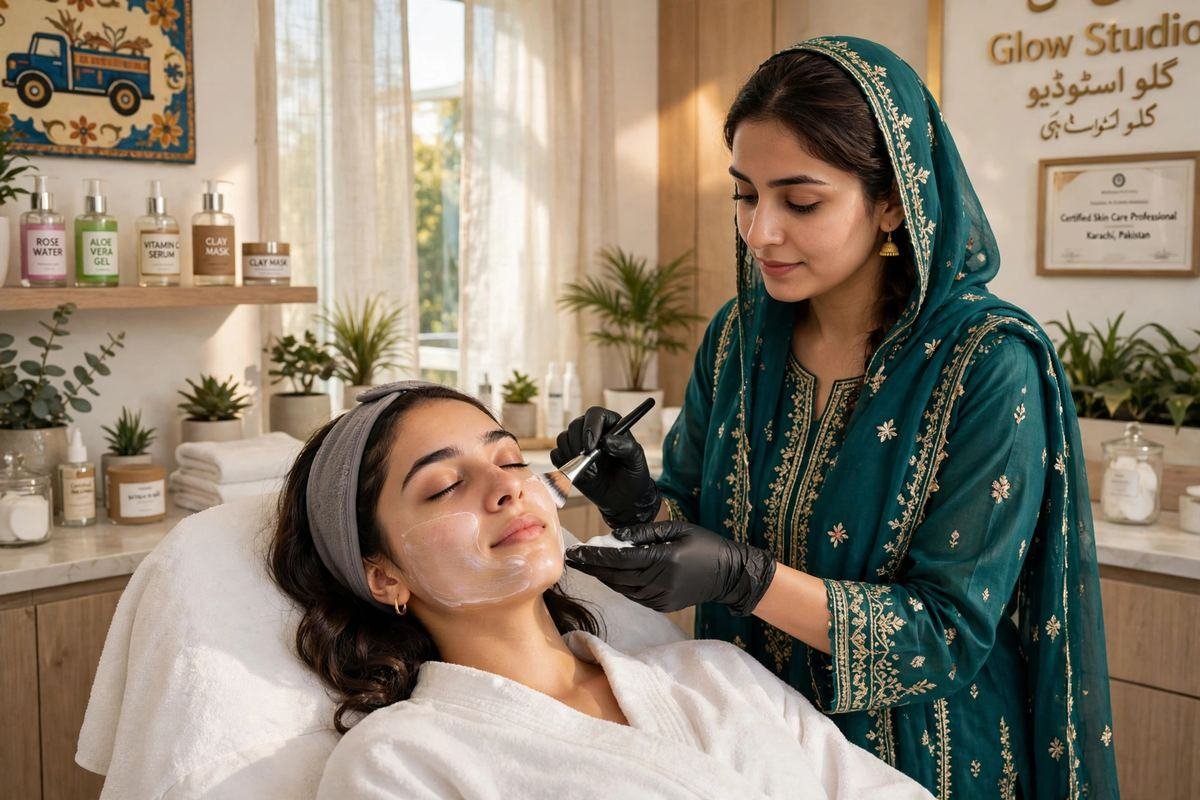
A good facial can’t replace sunscreen and retinol, but it absolutely supports them. A professional anti-ageing facial deep-cleans, exfoliates and massages away the dullness that home care sometimes can’t touch. That massage also boosts circulation, which is why your skin looks instantly fresher after a facial.
Ask your therapist for gentle exfoliation and a hydrating mask suited to your skin type. Monthly sessions keep your skin in its best condition, and a professional can spot issues — like early pigmentation or dehydration — before they become stubborn problems. It’s maintenance, like servicing your car.
Read more: Dull Skin to Glow: Complete Winter Skincare Routine
What Won’t Reverse Ageing (Save Your Money)
Let’s clear the air. Fairness creams won’t reverse ageing — many just lighten temporarily, and steroid-based ones thin and damage your skin over time. No cream can lift deep sagging or erase decades of sun damage overnight, no matter what the TV ad promises.
More products don’t mean better results either. Layering five actives at once usually buys you irritation, not youth. And “natural” isn’t always gentle — rubbing raw lemon on your face, for example, can burn and darken sensitive skin. Choose proven ingredients, give them time and ignore the miracle claims.
A Simple Routine You Can Actually Follow
Keep it simple enough that you’ll actually do it. Morning: cleanse, apply vitamin C serum, moisturise and finish with SPF 30 or higher. Evening: cleanse, apply retinol two to three times a week (moisturiser on the other nights), then moisturise.
That’s it. Four steps in the morning, three at night. Stick with this for three months and you’ll see more change than any drawer full of half-used jars ever gave you.
If you’d like professional guidance or a facial tailored to your skin’s needs, book a consultation at R Zara Salon in Faisalabad — our team will help you build a routine that fits your skin, your budget and your life.