By Mohsin Ali
Your wedding dress is ready, your mehndi artist is booked and your jewellery sits waiting in its box. Yet when you slip on your khussas for a trial, your feet may tell a different story. This is where foot care for brides quietly matters more than most brides expect.
Winter weddings in Faisalabad are beautiful and hard on feet at the same time. Foggy mornings, cold marble floors and long hours standing in marquees dry the skin fast. Add weeks of shopping, dance practice and family functions and your heels can turn rough just when every camera turns toward you.
The good news is simple. Soft wedding-ready feet do not need expensive imports or a last-minute panic treatment.
They need an early start, a gentle routine and a few smart salon visits timed well. This guide walks you through that plan step by step.
Start Early With an Eight Week Foot Plan
Eight weeks sounds like a long time for feet. It is actually the kindest timeline you can give yourself. Skin heals slowly, especially thick heel skin that has built up over months of bare feet on cold floors.
Start by looking at your feet honestly in good light. Check your heels for cracks, your soles for hard patches and your toenails for rough edges or discolouration. Note what needs work now rather than discovering it on mehndi night.
In week eight to week six, focus on repair. Soak your feet in warm water for about ten minutes two or three times a week. Pat them dry gently and moisturise while the skin is still slightly damp so the cream seals moisture in.
In week five to week three, keep the routine steady and book your salon visits. This is the window for deeper treatments that soften stubborn callus without rushing the skin. Your feet should feel calmer and smoother by now, not freshly scrubbed and sore.
In the final two weeks, switch to maintenance only. No strong scrubs, no new products and no harsh filing. Your goal in wedding week is calm smooth skin that photographs well and feels comfortable for hours.
Fix Cracked Heels Before They Steal the Show
Cracked heels are the most common bridal foot problem in winter. The skin on the heel thickens into callus and then splits under pressure. Those splits can sting with every step and they show clearly in close-up photos of khussas and open sandals.
Cold air holds less moisture than warm air, so winter pulls water from your skin every day. Long hot showers strip away natural oils and walking barefoot on cold floors finishes the job. Together these habits turn soft heels rough within weeks.
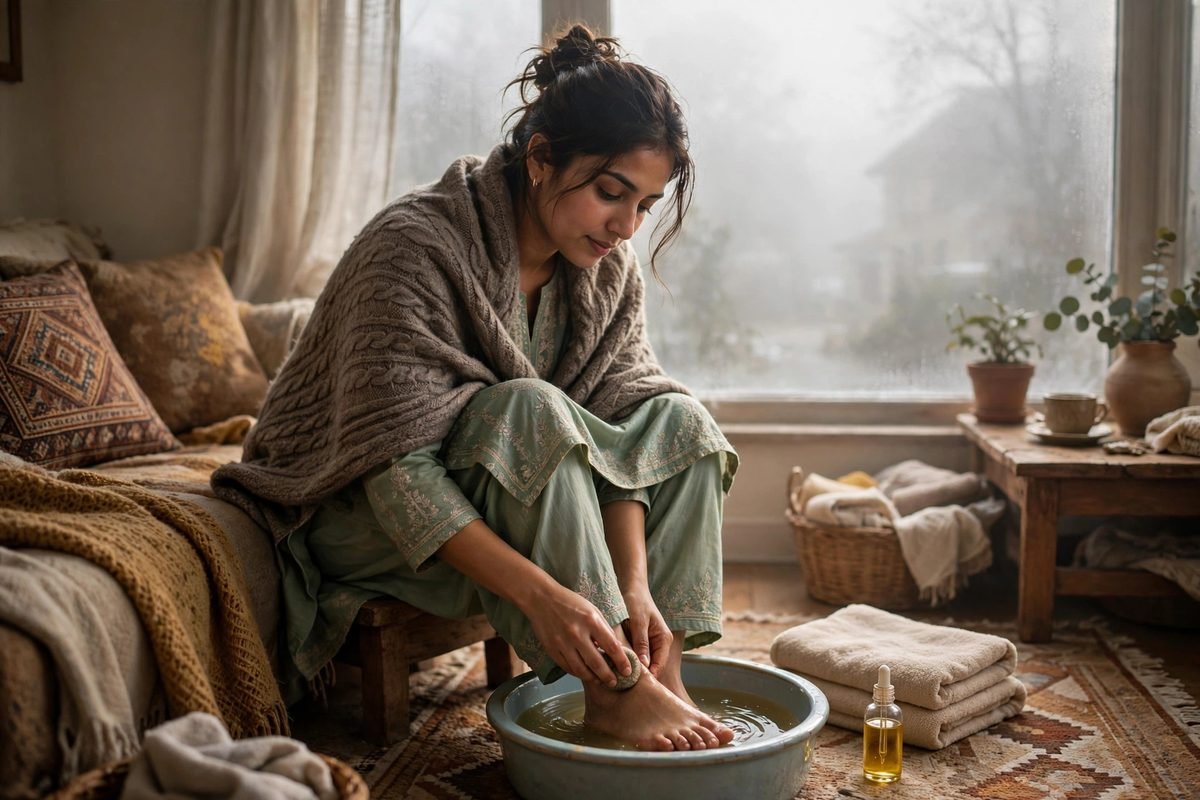
The home routine that skin experts recommend is gentle and it works when you follow the order. Soak your feet in warm water for about ten minutes.
Never use very hot water because it dries skin further. Rub softened heels lightly with a pumice stone using soft pressure only.
Apply a thick heel cream at once while the skin is still damp. Look for a cream with 10 to 25 percent urea or lactic acid.
Urea draws moisture into the skin while it softens hard skin at the same time. Plain petroleum jelly works well as a sealing layer on top of the cream.
Here is the step most brides skip. Put on clean cotton socks right after the cream and keep them on overnight.
This simple seal locks moisture in for hours while you sleep. Brides who do this every evening for a week usually notice rough heels turning softer within days.
Keep physical exfoliation to once or twice a week at most. Scrubbing daily backfires badly. Your skin treats aggressive filing as damage and builds the callus back even thicker than before.
Read more: Winter Pedicure Care Guide: Fix Dry Cracked Feet
The Bridal Pedicure: What to Book and When
A bridal pedicure is more than pretty nail polish. A proper session starts with a warm soak that softens hardened skin. Then comes gentle exfoliation, careful nail shaping, cuticle care and a relaxing foot and calf massage with moisturising cream.
That massage matters more than it sounds. It boosts blood flow in feet that feel cold and stiff through winter. It also works cream deep into the skin in a way a quick home rub cannot match.
Book your first bridal pedicure about three to four weeks before the wedding. This gives the therapist time to treat deep callus gradually across two visits if needed. A single rushed session cannot safely fix months of hard skin in one sitting.
Book your final pedicure two or three days before the mehndi, not on the morning of the event. Freshly scrubbed skin can look red for a day. A two-day gap leaves your feet calm, smooth and ready for henna and photographs.
Choosing professional pedicure services also helps you spot problems early. A trained therapist can notice an ingrown nail corner, a fungal change between toes or a crack that needs care before it worsens. Home care alone often misses these signs until they hurt.
Tell your therapist you are a bride and share your wedding dates. She can plan the treatment strength, the polish shade and the timing around your mehndi and your outfits. Clear information leads to calmer feet on the big day.
Daily Home Care That Actually Works
Salon visits set the foundation, but daily care keeps the result alive. The routine below takes about ten minutes each evening and it fits easily around wedding preparations.
Wash your feet with lukewarm water and a gentle soap. Hot water feels comforting on a cold night, yet it strips oils your heels need. Pat your feet dry with a soft towel instead of rubbing them hard.
Moisturise at once while your feet are still slightly damp. A rich foot cream works better than a light body lotion in winter. Creams carry more oil and less water, so they protect your skin through cold mornings and heated rooms.
Your kitchen already holds two reliable totkas. Warm mustard oil massaged into the feet before bed is an old favourite for a reason. It is rich, it absorbs slowly and it keeps skin supple through the night.
Coconut oil with socks is the second classic. Massage warm coconut oil into your feet after your evening routine, slip on clean cotton socks and sleep.
By morning your feet will feel noticeably softer. It will not heal deep cracks on its own, but for everyday dryness it is hard to beat.
A milk and honey soak helps once or twice a week. Add a cup of warm milk and two tablespoons of honey to your foot basin.
The lactic acid in milk softens rough skin gently while honey draws in moisture. Soak for fifteen minutes, then rinse and moisturise straight away.
Wear socks or soft slippers at home instead of walking barefoot on cold marble. Barefoot contact with cold floors is one of the fastest ways to dry out your soles. Outside, choose closed shoes with cushioned soles when you are not dressed for an event.
Read more: Nail Care Basics: Strong Healthy Nails at Home
Mehndi Ready Feet: Timing Matters Most
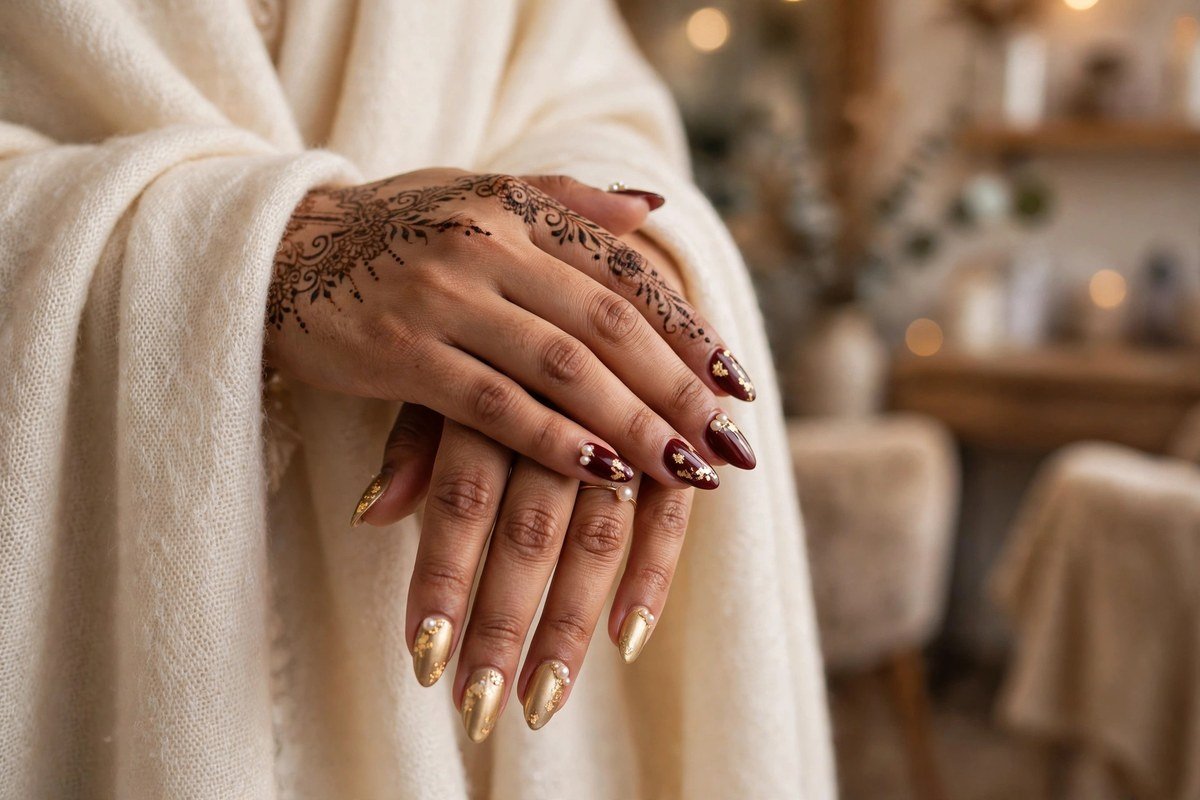
Mehndi on feet is now as important as mehndi on hands for many Pakistani brides. Anklet patterns, toe detailing and delicate trails from toe to ankle look stunning with khussas. Yet beautiful henna needs smooth skin underneath it.
Get your pedicure done before your mehndi, never after it. Exfoliation and soaking after henna will fade the stain fast. A good rule is a pedicure two or three days before mehndi, then no scrubbing or soaking until the colour has fully settled.
Keep the henna paste on for at least six to eight hours for a deep colour. Many brides leave it on overnight for the richest stain. When the paste dries, scrape it off gently rather than washing it away with water.
Avoid water on the design for at least 24 hours after removing the paste. The colour keeps developing for 24 to 48 hours, moving from orange toward a deep reddish brown. Water too soon can lighten the stain before it has finished darkening.
Protect the stain with a little natural oil such as coconut oil before any water contact. Skip exfoliating scrubs, harsh soaps and long soaks until after the wedding events. Gentle care keeps the design bold through the barat and the walima.
Wear loose open sandals on mehndi day so the paste stays safe while it sets. Tight shoes can smudge the design and trap moisture against fresh henna. Comfort on that day protects colour for the days that follow.
Read more: Mehndi Designs 2026: Simple to Bridal Henna Trends
Wedding Week Footwear and Comfort
Your wedding shoes will be beautiful and they may also be your feet’s biggest test. New khussas, heeled sandals and embroidered slippers can rub, pinch and blister. Break them in at home for short periods during the week before the wedding.
Wear them on clean floors for twenty minutes at a time with soft socks if the design allows it. Check for pressure points on your toes, heels and ankle straps. A small gel insole or a soft heel grip can change a painful shoe into a comfortable one.
On the wedding day, pack a small rescue kit in your bag. Include blister pads, a spare pair of soft flat sandals and a tiny tube of foot cream. Changing into flats between events gives your feet a rest without spoiling your look.
If you want smooth legs and feet for an open outfit, plan hair removal with care. Book waxing services a day or two before the event and moisturise well afterwards. Waxing too close to mehndi can irritate skin, so keep the two appointments on separate days.
Standing for hours in a marquee needs its own plan. Shift your weight gently from time to time, sit whenever the programme allows it and keep your feet warm between outdoor photos. Cold stiff feet ache faster than warm relaxed ones.
Warning Signs: When Feet Need More Than Care
Most winter dryness responds to steady care within one or two weeks. Some signs mean you should pause home treatment and seek professional advice instead of scrubbing harder.
Cracks that bleed repeatedly, swelling, redness spreading around a crack or any sign of infection should not be soaked or filed. Deep fissures can let germs in and they need proper care rather than another totka.
Itching between the toes with a musty smell can signal a fungal infection. That needs antifungal treatment, not more exfoliation. Treating the wrong problem wastes time and lets the infection spread through wedding week.
If you have diabetes, take extra care with every step of this plan. Reduced circulation and slower healing mean even small cracks can turn into serious wounds. Skin experts advise people with diabetes to leave callus removal to professionals rather than doing it themselves.
A patch test also matters before any new cream, oil or henna product. Try a small amount on one ankle a day before full use. Redness, itching or swelling means that product is not for you, no matter how well it worked for someone else.
Step Into Your Wedding With Confidence
Your feet carry you through every dholki, every dance and every long wedding night. They deserve the same attention you give your face, your hair and your dress. A calm early plan beats a frantic final week every time.
Start early, moisturise daily, time your pedicure and mehndi with care and choose footwear that loves your feet back. Add a little help from expert face treatments and your full bridal look comes together as one polished whole rather than a collection of rushed parts.
Ready to give your feet the care they deserve before your big day? Contact R Zara Salon in Faisalabad to book your bridal pedicure and plan your wedding week appointments today.





One Response