By Mohsin Ali
Hair Colour for Pakistani Skin: Shade Guide
Picking the right hair colour for Pakistani skin is the difference between a shade that lights up your face and one that quietly washes you out. You can love a colour on a drama actress or a Pinterest board and still hate it in your own mirror, because skin undertone does the real talking. This guide walks you through undertones, the most flattering shades, the ones to handle with care, technique choices and honest aftercare — so you walk into the salon knowing exactly what to ask for.
Most of us choose colour the wrong way. We point at a shade card under harsh tube lights or fall for a filtered Instagram reel, then wonder why the result looks flat in daylight.
Here’s the truth no shade card tells you: the same caramel can look golden and expensive on one woman and dull and brassy on another. The difference is almost always the undertone of her skin.
Start With Your Undertone, Not the Shade Card
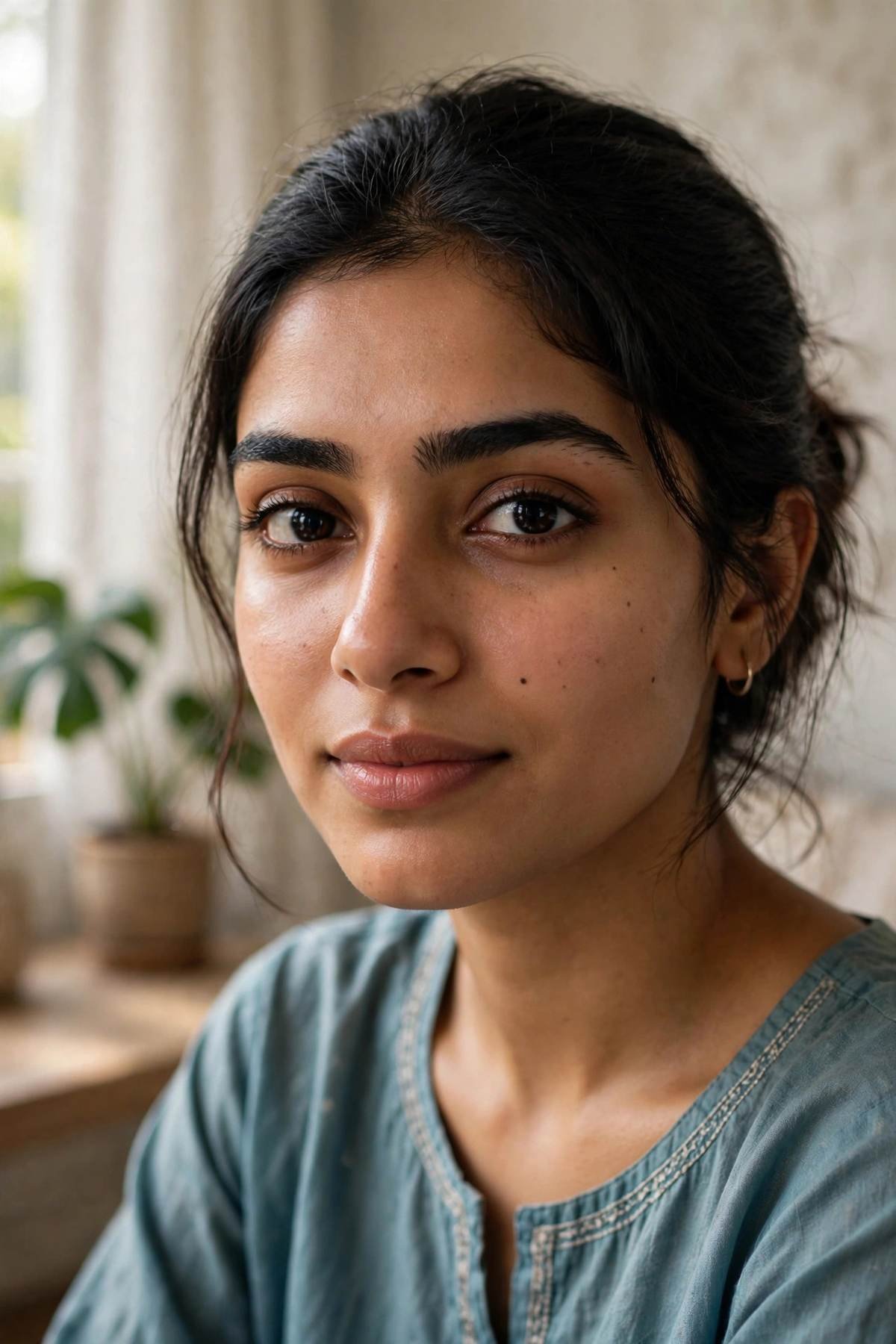
Your undertone is the quiet colour sitting underneath your skin’s surface. It never changes — not with the seasons, not with tanning — and it decides which hair colours flatter you.
There are three types. Warm undertones carry golden, peachy or yellow hints. Cool undertones lean pink, rosy or bluish. Neutral sits somewhere in between.
Two quick tests work at home. First, look at the veins on the inside of your wrist in natural daylight: greenish veins usually mean warm undertones, while blue or purple ones point to cool. Second, try the jewellery test — if gold jewellery makes your face glow, you’re probably warm; if silver does it, you’re likely cool.
Here’s a desi trick good salons use too: hold different dupattas against your bare face. A mustard or rust dupatta that brightens you signals warm undertones, while a cool pink or icy blue doing the same job suggests cool ones. Most Pakistani skin carries warm, golden or olive undertones, which is why warm, pigment-rich shades look so beautiful on us.
Shades That Love Pakistani Skin Tones
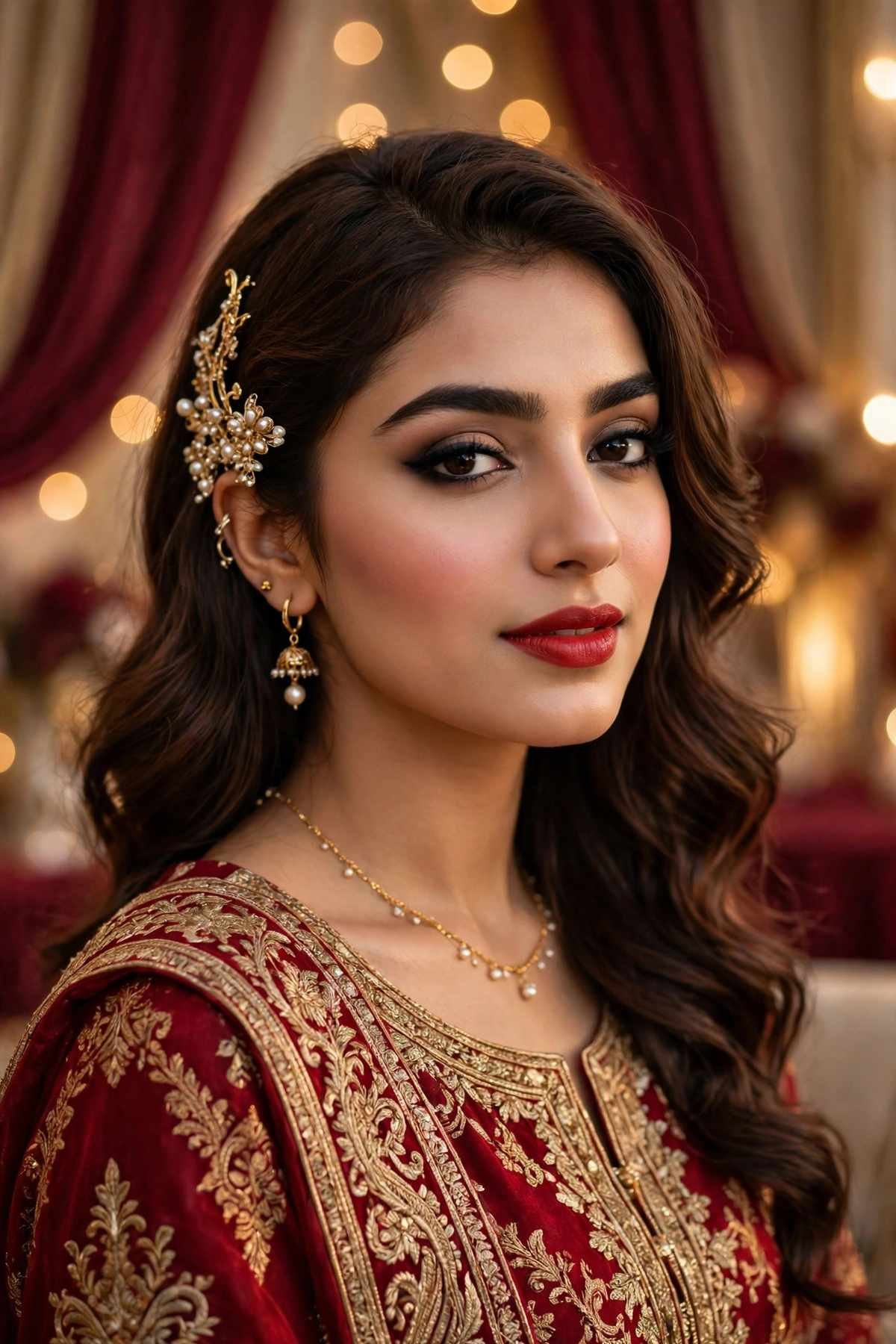
If you have warm undertones, these shades rarely disappoint. Chocolate brown adds depth without looking harsh and photographs beautifully at mehndi functions. Caramel and honey browns bring warmth to the face and grow out softly, so regrowth never looks alarming.
Copper and auburn are the showstoppers. They pick up the golden notes in warm skin and look incredible under wedding hall lighting. If you want drama without going light, burgundy and wine red are stunning on dusky and deep skin tones.
Blue-black is the classic for a reason. It’s rich, glossy and endlessly flattering on deep complexions, though it can look stark on very fair skin. Espresso brown sits between black and brown and gives a softer alternative to jet black.
For cool undertones, ash brown, cool beige and deep burgundy work better than golden shades. They balance the pink in the skin instead of fighting it. Neutral undertones get the best of both worlds and can wear everything from mocha to wine red.
Read more: Best Haircut for Face Shape: A Complete Pakistani Guide
Shades That Need Extra Thought
Platinum and ash blonde are the most requested — and most regretted — shades on warm Pakistani skin. Cool, icy tones can make warm complexions look dull and sallow, and the maintenance is relentless: toning sessions, purple shampoo and root touch-ups every few weeks.
That doesn’t mean blonde is off-limits. Honey blonde and caramel blonde suit warm undertones far better than platinum, especially as balayage where your dark roots stay natural. If your heart is set on going light, budget for the upkeep honestly before you book.
Fantasy shades like pastel pink, silver and lavender need heavy bleaching first, which is the real damage risk on thick desi hair. Bright cherry reds can clash with warm skin and fade fast. None of these are forbidden — they just demand honest expectations and a colourist who’ll tell you the truth.
Balayage, Highlights or Global Colour
Global colour covers every strand in one shade. It’s the best choice for covering grey or going dramatically darker, but regrowth shows quickly and touch-ups come every six to eight weeks.
Highlights use foils for defined, even streaks from root to tip. They give beautiful dimension but need regular salon visits as the line of regrowth appears.
Balayage is hand-painted colour, usually lighter through the mid-lengths and ends. It grows out softly with no harsh line, which is why it’s the favourite of busy women. If you want low commitment, ask for a caramel balayage on a dark brown base — as a hair colouring service, it stays graceful for months because there’s no obvious regrowth line.
Face-framing highlights — sometimes called the “money piece” — are a smart middle ground. A few lighter strands around your face brighten everything without committing your whole head. Ask your colourist which technique suits your routine honestly, not just your inspiration photos.
Read more: Hair Spa Treatment at Home vs Salon: What’s Worth Your Money
The Henna Warning Nobody Gives You
Many Pakistani women have years of henna in their hair before they ever consider dye. This matters more than almost anything else, so tell your colourist about it — honestly and upfront.
Pure henna from a trusted source is one thing. Compound henna — the pre-mixed pastes and blocks that promise black or brown in one quick application — often contains metallic salts. When those salts meet the ammonia and peroxide in chemical dye or bleach, the reaction can be severe: intense heat, hair melting or breaking and wild green or orange tones.
The fix is simple. Always insist on a strand test before any chemical service over henna — any good colourist will demand one anyway. If you’ve used compound henna, wait at least three to four weeks before a chemical colour. And remember that henna is essentially permanent: it bonds deep into the hair shaft and can’t simply be bleached out.
This is exactly where a consultation for professional hair colour earns its fee. A good colourist will test, wait and sometimes refuse a service — and that refusal is protecting your hair, not chasing your wallet.
Aftercare That Keeps Colour Rich for Weeks
Fresh colour is an investment, and aftercare decides how long it pays off. Wait at least 72 hours before your first wash so the pigment settles fully into the hair shaft. When you do wash, reach for a sulfate-free, colour-protect shampoo — sulfates strip colour fast.
Wash two to three times a week at most, with lukewarm water. Hot water opens the cuticle and lets colour molecules escape, while a cool final rinse seals everything in. A weekly deep-conditioning mask keeps coloured hair soft, because dyeing always costs some moisture.
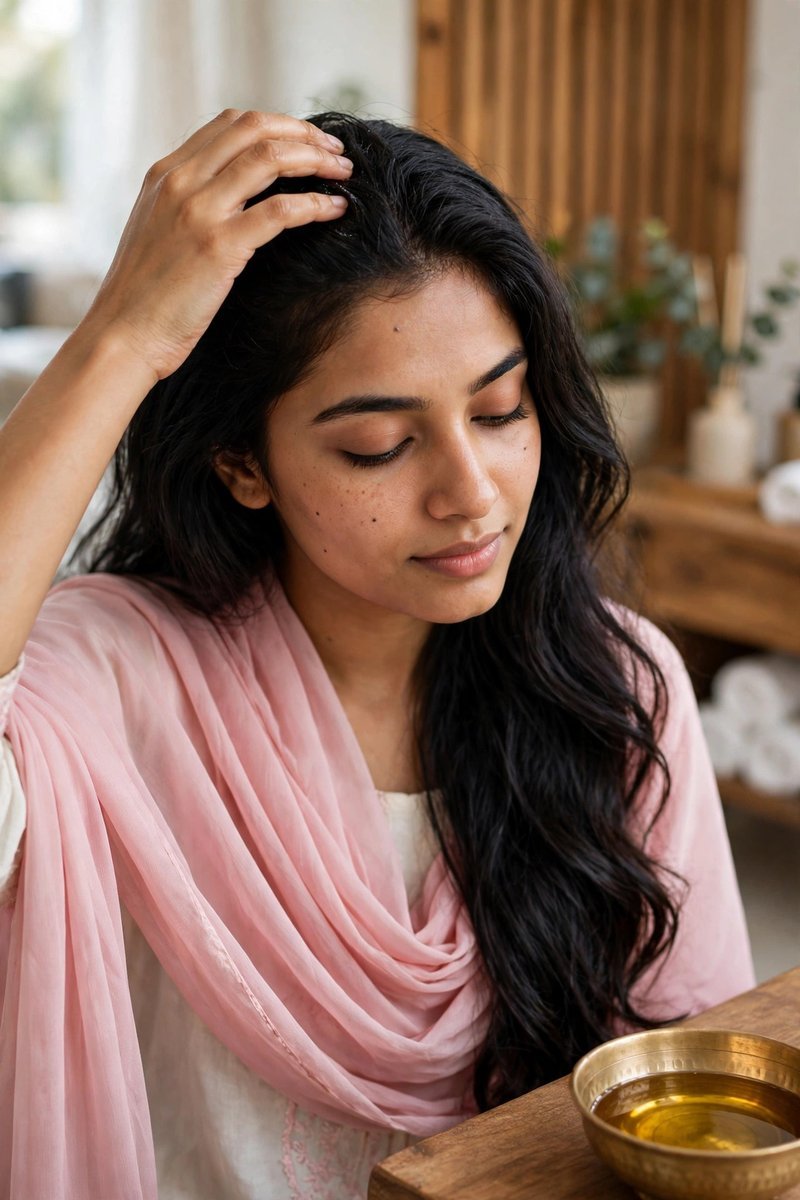
Good news for oil lovers: coconut oil doesn’t strip permanent colour. A light pre-wash oiling actually protects strands during shampooing — just don’t oil right before a colour appointment, since it can block even dye uptake. And if you heat-style, a heat protectant is non-negotiable, because heat dulls colour quickly.
Read more: Winter Hair Fall: Why It Happens and How to Stop It
Salon Colour vs the Box Dye
Box dye is cheap and tempting, but it comes with real trade-offs. One flat shade can’t account for your undertone, your henna history or the different porosity of your roots and ends. Uneven, brassy results are the most common complaint we hear.
There’s also the allergy question. Do a patch test 48 hours before any dye — box or salon. Reactions to dye chemicals range from mild itching to serious swelling, and a tiny test behind your ear costs you nothing.
That said, box dye has its place. A same-shade root touch-up between salon visits is perfectly reasonable. But for a first colour, a big change or anything involving bleach, the salon is worth every rupee — fixing a bad dye job costs far more than doing it right the first time.
Still unsure which shade is yours? That’s exactly what a consultation is for. Visit our contact page to book a colour consultation at R Zara Salon in Faisalabad — we’ll check your undertone, talk through your routine honestly and find the shade your skin has been waiting for.