By Mohsin Ali
Dandruff Treatment Winter: Causes and Permanent Fixes
If you are hunting for a dandruff treatment winter routine that actually works, you are definitely not alone. Every December in Pakistan, the fog season rolls in and millions of us notice those tiny white flakes on our dark shawls and dupattas. It feels embarrassing at weddings and office parties, even though you wash your hair regularly and take good care of it.
It feels unfair, too. Your hair looks perfectly fine all summer, then the first cold week of winter brings itching and flakes like clockwork. But here is the good news you have been waiting for: winter dandruff is not a life sentence, and dermatologists say it responds beautifully to the right treatment.
We see this exact problem every week at our salon in Faisalabad. Women walk in worried that dandruff means they are unhygienic or doing something terribly wrong. Nothing could be further from the truth. Dandruff is a scalp condition with a clear cause and a proven cure, and this guide explains both in plain, honest words.
Why Winter Makes Dandruff Worse in Pakistan
Pakistani winters hit your scalp with a double attack. The cold dry air pulls moisture straight out of the skin, and long hot showers strip away whatever natural oil is left. Your scalp responds by tightening and flaking, and any dandruff you already had gets dramatically worse.
Then there is our winter lifestyle, which quietly makes things harder. We wash our hair less often in winter because nobody wants to step out of the bathroom with a wet head in the cold. Fewer washes mean more oil and dead skin sitting on the scalp, which feeds the very yeast that causes dandruff. Add a heavy shawl worn every single day, and your scalp sweats under the fabric while the outside air stays bone dry.
Indoor heating is the silent third culprit nobody thinks about. Rooms with heaters in Lahore and Faisalabad drop to desert-level humidity, and remember that your scalp is just skin. It dries out in winter the same way the skin on your hands does, and dry skin sheds. That is a big part of why flakes explode in January and vanish in June.
Read more: Winter Hair Fall Causes and Treatment
The Real Cause of Dandruff Is Not Poor Hygiene
Here is the myth that needs to die once and for all: dandruff is not caused by dirty hair. The main driver is a yeast called Malassezia that lives naturally on every human scalp, including yours and mine. It feeds on the oil your scalp produces and breaks it down into a substance called oleic acid.
About half of all people are sensitive to oleic acid, and their scalp reacts with itching, redness and faster skin shedding. Those extra skin cells clump together with oil and become the visible flakes we call dandruff. That is the entire story, and it has absolutely nothing to do with how often you bathe or how clean you are.
Winter does not create Malassezia, but it creates its favourite conditions. Less washing leaves more oil on the scalp, so the yeast gets a bigger feast every single day. This is why the same person can be completely flake-free in June and struggling badly in January, and why a proper dandruff treatment in winter has to tackle the dryness and the yeast at the same time.
The Treatments That Actually Work
Dermatologists rank anti-dandruff shampoos by their active ingredient, and only a few have real science behind them. Zinc pyrithione fights the yeast and calms inflammation, and it is gentle enough for regular use. Selenium sulfide slows down skin cell turnover and handles the thicker, oily kind of flakes very well.
Ketoconazole is the heavy hitter of the group. This antifungal disrupts the yeast’s cell membrane and directly controls Malassezia growth, and clinical studies show it outperforms the others in head-to-head comparisons. It is available in 1% strength over the counter and 2% as a prescription shampoo for stubborn cases that refuse to clear.
Then there is salicylic acid, which works in a completely different way. It is a keratolytic, which means it dissolves the thick crusty buildup so the antifungal ingredients can actually reach the scalp underneath. If your flakes sit on top of a greasy crust, starting with a salicylic acid shampoo is a very smart move.
What will not work, no matter how pretty the bottle, is a shampoo with no real active ingredient. Read the label carefully and look for one of these four actives. Then give the shampoo at least three weeks of consistent use before judging it, because the scalp needs time to reset its rhythm.
The Shampoo Technique Most People Get Wrong
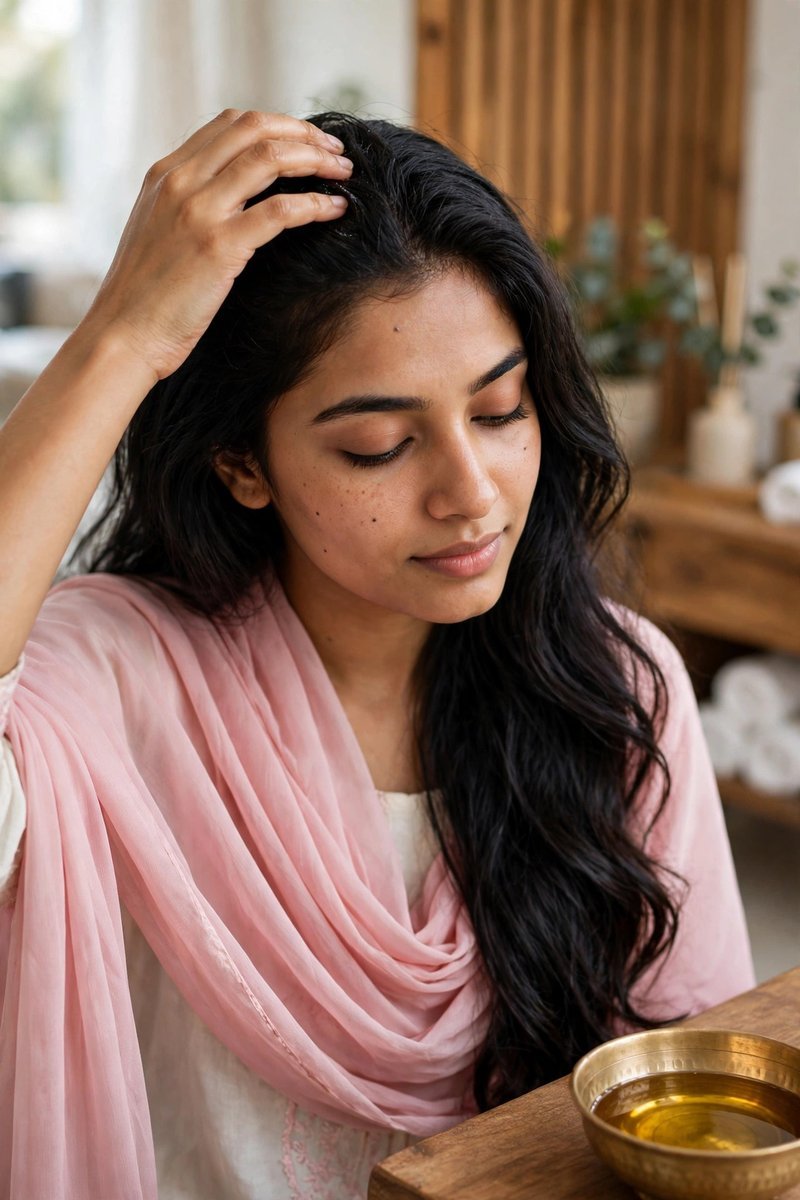
The best anti-dandruff shampoo in the world will fail if you rinse it off in ten seconds. The active ingredients need real contact time to work, so massage the shampoo into your scalp and leave it there for three to five minutes before rinsing. That waiting window is where the medicine actually does its job.
Always use your fingertips and never your nails. Scratching feels satisfying in the moment, but it creates tiny cuts that inflame the scalp and invite infection. Gentle circular pressure for a few minutes also boosts blood flow to the follicles, which is exactly what a proper scalp treatment does during a professional service.
Wash two to three times a week during winter dandruff season. Daily washing with a medicated shampoo can dry the scalp out further, while a single weekly wash lets too much oil and yeast build up between showers. And keep the water lukewarm, because hot water strips the scalp barrier and makes flaking significantly worse.
Read more: Hair Spa Treatment at Home vs Salon: What’s Worth Your Money
Dandruff or Something Else? Know the Difference
Not every flake is simple dandruff, and knowing the difference saves you months of frustration. Small, dry, white flakes that come off easily with the right shampoo are the classic kind. But thick, yellowish, oily scales that cling stubbornly to the scalp may point to seborrheic dermatitis, which is the stronger cousin of dandruff driven by the same Malassezia yeast.
Red patches with silvery scales on the scalp or beyond the hairline can indicate psoriasis, which is a different condition entirely. If your flaking comes with heavy redness, bleeding from scratching, or hair loss in patches, please stop guessing and see a dermatologist. Medicated shampoos handle ordinary dandruff, but they cannot diagnose a medical condition.
Here is one more honest truth: seborrheic dermatitis is chronic, which means it needs ongoing maintenance rather than a one-time cure. Many people keep one anti-dandruff shampoo in the shower all year and use it once a week as prevention even after the flakes are completely gone. That single habit prevents most winter relapses before they ever start.
Pakistani Home Totkas That Help and Those That Hurt
Our daadis had some genuinely smart scalp ideas, and a few are worth keeping. A warm coconut or almond oil champi two hours before washing softens flakes and loosens them for easy removal. Methi (fenugreek) seed paste is another classic that many Pakistani women swear by, and plain aloe vera gel can calm a mildly irritated scalp.
But some totkas do real damage, so be careful. Raw lemon juice poured directly on an irritated scalp stings and can cause chemical burns, especially in the bright winter sun. Neem water is popular, but it is quite drying and can worsen flakiness if you use it too often. And leaving oil on the scalp for three days straight feeds Malassezia instead of fighting it, so always oil, wait two hours and wash it out fully.
One totka we approve of wholeheartedly is simply brushing your hair every night. A hundred strokes with a clean paddle brush lifts dead skin from the scalp and spreads your natural oils down the hair shaft. It costs nothing, takes three minutes and genuinely helps between washes.
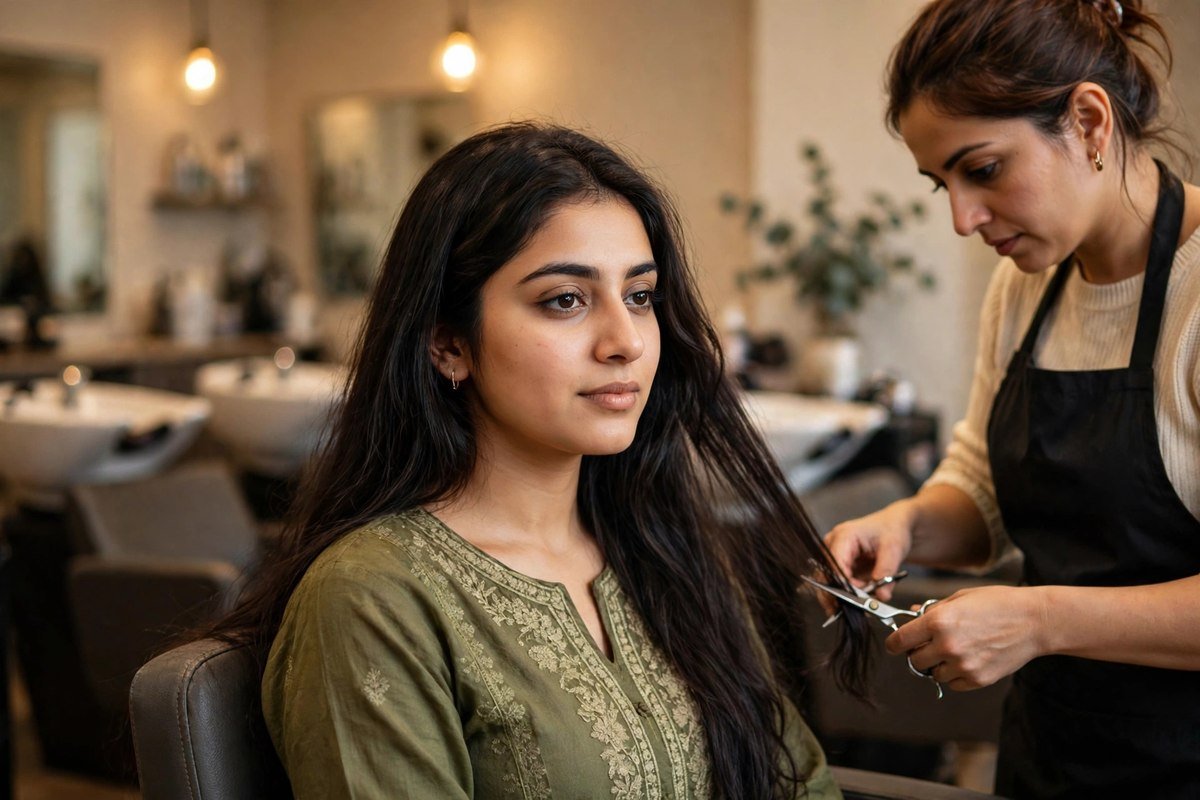
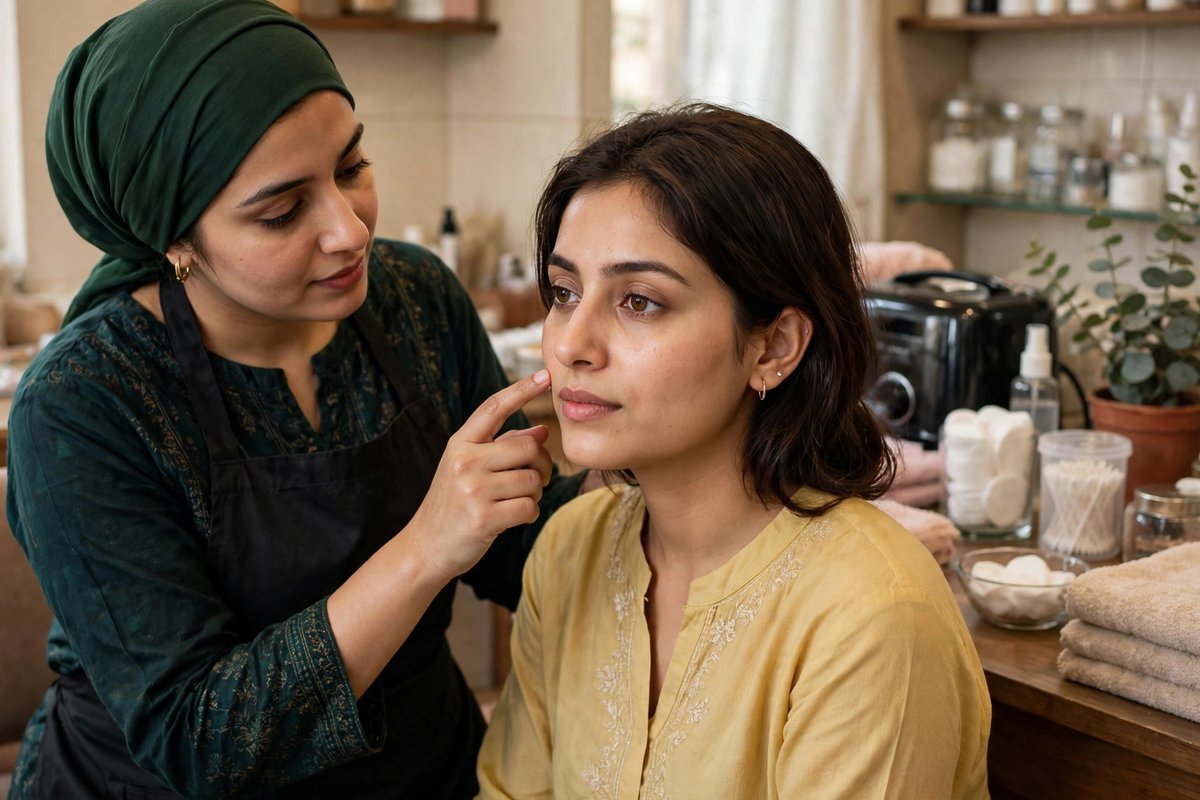
If home totkas and medicated shampoos have not helped after a full month, consider booking a hair spa treatment that includes deep scalp exfoliation. A professional deep cleanse removes the layered buildup that home routines sometimes cannot reach, and it gives your new shampoo a fresh canvas to work on.
Read more: How Often to Wash Hair: The Honest Answer
Ready for a flake-free winter? Visit our contact page to book a deep scalp cleanse and a winter hair assessment at R Zara Salon in Faisalabad.