By Ahsan Ali
You sit for hours at a mehndi night in Faisalabad while the artist draws fine lines across your palms, waiting for a dark mehndi stain to develop. When the paste finally comes off, you stare at a light orange mark and wonder if something went wrong. Relax.
A dark mehndi stain does not appear in one moment. It grows over two days. The reasons behind that slow change explain why your cousin’s stain turned deep maroon while yours faded to a soft brown.
Every bride has heard the old saying. Dark mehndi means deep love. Whether you believe the saying or not, the colour itself follows real science.
Skin, paste, heat, time and aftercare all play a part. Once you understand how they work together, you can stop blaming luck and start planning for the colour you actually want.
This guide explains the whole story in plain words. You will learn why stains darken, why some fade early and which small habits make the biggest difference during wedding season.
How a Mehndi Stain Actually Forms
Henna comes from the leaves of a shrub called Lawsonia inermis. The leaves hold a natural dye molecule named lawsone. When dried leaves are ground into powder and mixed with lemon juice and essential oils, the lawsone is released into the paste.
Artists call this waiting period dye release. It usually takes 12 to 24 hours.
When the paste touches your skin, lawsone moves into the outer layer of skin and binds with keratin. Keratin is the tough protein that makes up your skin surface, your hair and your nails. This bond is what creates the stain.
It is not paint sitting on top of your skin. It is dye locked inside the top skin cells. Your stain fades mainly because those outer skin cells shed naturally over one to three weeks.
Nothing you rub on top can stop that shedding. Good care can only slow it down and protect the colour while it lasts.
Why Your Stain Looks Orange at First
Do not panic when you scrape the paste off and see bright orange. Every natural henna stain starts this way. The fresh stain has not finished developing yet.
Over the next 24 to 48 hours, exposure to air causes oxidation. Oxidation is the same process that turns a cut apple brown. It deepens your stain step by step.
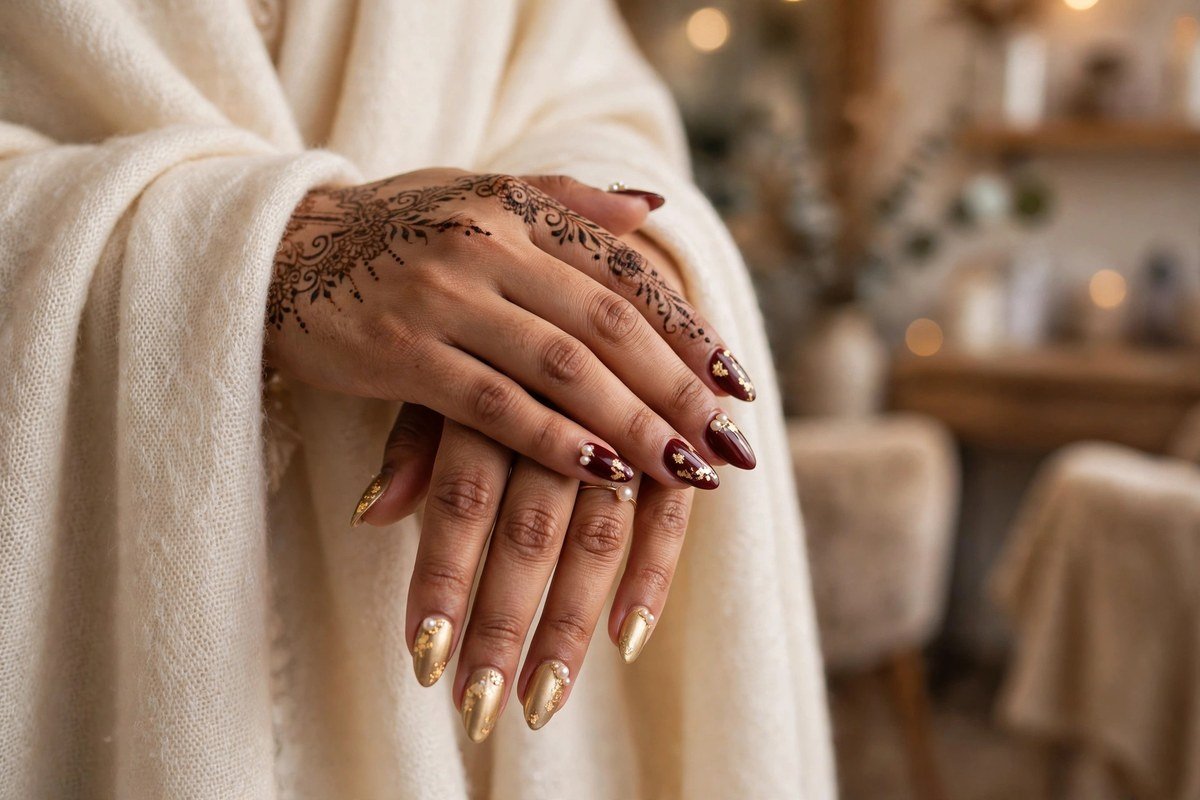
The colour usually moves from orange to rust, then to reddish-brown and finally to a deep maroon or coffee shade. The darkest point normally arrives on the second day. This is why experienced artists tell brides to apply mehndi two days before the baraat.
Mehndi applied on the wedding morning simply has not had time to bloom in photographs.
Water is the enemy during this window. Washing your hands too soon interrupts oxidation and can leave the stain lighter than it should be. If you must wash, be quick, pat dry at once and rub a little natural oil over the design first.
Read more: Mehndi Designs 2026: Simple to Bridal Henna Trends
The Paste Makes the Biggest Difference
Ask any senior mehndi artist and she will tell you the same thing. The paste decides the stain more than any totka applied afterwards. Fresh paste made from finely sifted leaf powder gives a rich stain.
Old cones bought from a market stall months ago often give a weak one.
Good paste smells earthy and herbal. It feels smooth, not gritty. It stains a test dot a clear orange within an hour or two.
If a cone promises an instant jet-black stain, walk away. Natural henna never stains black. We will come back to that warning later in this guide.
The way the paste is mixed also counts. A little lemon juice helps release the dye. Essential oils such as eucalyptus or tea tree oil help the dye travel into the skin.
Sugar keeps the paste stuck to your skin for longer so the dye has more time to work. None of these ingredients is magic on its own. Together they give the lawsone its best chance.
Body temperature plays a role too. Warm skin takes up dye better than cold skin. That is one reason winter brides in Faisalabad sit with shawls wrapped around their hands and sip hot chai while the paste dries.
Foggy December evenings can chill your hands fast, so keep them warm and still.
Time on Skin: The Longer the Better
The single most useful rule in mehndi is simple. Keep the paste on as long as you can. Four to six hours is the minimum for a decent stain.
Eight hours is better. Overnight is best, especially for brides who want the deepest colour.
Think of it like tea brewing. A quick dip gives pale tea. A long steep gives a strong cup.
Lawsone needs hours to move deep into the skin layer. Peeling the paste off early cuts that process short. No amount of oil afterwards can replace the lost hours.
Sleeping with mehndi on takes a little planning. Wrap your hands loosely in soft tissue paper or a breathable cloth so flakes do not fall on your bedding.
One mistake ruins more stains than any other. People wash the paste off with water because it feels tidier. Scraping is messier and slower, yet it protects the colour.
Rub a little coconut oil or mustard oil over the design first to loosen the flakes, then scrape gently with the back of a spoon.
Body Heat and Skin Type: Why Palms Stain Darkest
Have you ever noticed that the same paste stains one person’s palms deep maroon and another person’s arms only light brown? Skin thickness explains most of that gap. Palms and soles have the thickest outer skin layer on the body.
More skin cells mean more keratin for the dye to bind with, so the stain goes darker and lasts longer.
Arms, shoulders and the back of the hand have thinner skin. They stain lighter and fade faster, even with perfect aftercare. That is normal, not a fault in the paste.
Bridal designs cover the hands and feet so heavily for this very reason.
Your own body chemistry adds another layer of difference. Hydration, hormones and natural skin warmth all affect how oxidation develops. Two sisters can use the same cone on the same evening and still end up with different shades.
One may run warm while the other feels cold easily. Warm hands usually win the colour race.
Aftercare Mistakes That Fade Your Colour
Most fading problems start after the paste comes off. Harsh soap is the first culprit. Strong dishwashing liquids and bleach-based cleaners strip stained skin cells away fast.
Wear gloves for housework during the first few days, even if it feels awkward at a family event.
Long hot baths and swimming pools fade stains quickly too. Chlorinated water is especially harsh on fresh henna. Short lukewarm showers with mild soap are far kinder.
Before any bath, rub oil over the design so soap and water cannot reach it directly.
Scrubbing is another quiet colour killer. Loofahs, exfoliating scrubs and rough towels wear the stain down before its time. Be gentle with your hands for the first week.
Pat dry instead of rubbing. Keep heavy chemical creams away from the design. Whitening lotions and products with strong acids speed up skin shedding and fade henna faster.
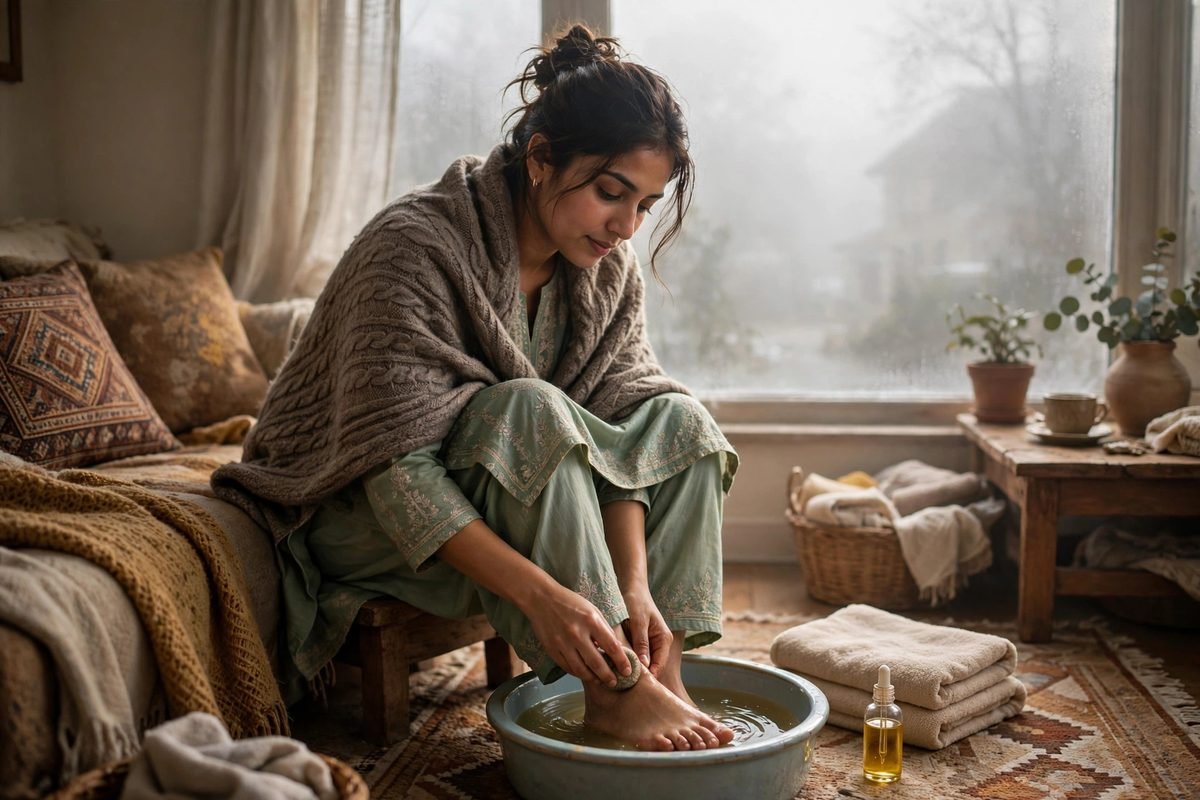
Timing your other beauty treatments matters as well. Book your pedicure services before your mehndi appointment rather than after it.
Soaking and scrubbing after henna will fade the stain fast. The same logic applies to waxing and facials. Finish them first, then let your mehndi have its two quiet days to bloom.
Read more: Henna Aftercare: Make Your Mehndi Last Longer
When a Stain Fades Too Fast: What to Check
A stain that vanishes within three or four days usually has a clear cause. Work through this short checklist before you blame the artist. First, ask how long the paste stayed on.
Less than four hours almost always means a light stain. Second, ask whether water touched the stain in the first 24 hours. Early washing is the most common reason for a pale result.
Third, look at the paste itself. Was it fresh, or had the cone sat in a drawer for months? Old paste loses dye strength steadily.
Fourth, think about your skin. Were your hands cold, very dry or freshly scrubbed? Each of those weakens the stain.
Sometimes the answer is simply body chemistry. If your sister stains dark and you stain light with the same paste and the same routine, your skin may just shed faster. A longer paste time and stricter aftercare can close much of the gap next time.
The Black Henna Warning
You need to know this before wedding season crowds the markets. Products sold as black henna are not natural henna at all. They often contain a chemical dye called PPD, short for paraphenylenediamine.
PPD can cause serious allergic reactions, painful blistering and lasting skin burns.
The danger is real and well documented. Natural henna stains reddish-brown and takes two days to darken. Anything that stains jet black within an hour is using chemicals your skin was never meant to meet.
The risk is highest for children and for anyone with sensitive skin.
If an artist offers you black henna, say no politely and firmly. If you have already used it and notice redness, itching, swelling or blisters, wash the area gently and seek advice from a skin specialist at once. Do not try to cover the reaction with more paste or creams.
A small patch test is wise before any new henna product. Apply a tiny amount on your inner arm and wait a full day. Redness or itching means that product is not for you, no matter how well it worked for someone else.
Your health matters far more than any design.
How to Plan Your Mehndi for Wedding Week
Good timing turns all of this science into a beautiful result. Book your mehndi two days before the baraat. That gives the stain its full 48 hours to reach peak darkness right when the cameras arrive.
Brides who apply mehndi the night before the wedding often look back at pale photographs and wish they had planned earlier.
Plan your whole beauty week around mehndi day. Finish your face treatment services a few days before, not after, so nothing disturbs the fresh stain.
Book your professional hair services for trials and styling in the same early window. Keep the final two days calm, warm and free of harsh chores.
On mehndi day itself, wear loose sleeves and open sandals so nothing rubs the paste. Keep your hands warm under a shawl on cold evenings. Seal the design with lemon and sugar once it feels dry, then leave it alone.
Patience is the cheapest beauty product you own.
For feet, the same rules apply. Foot mehndi looks stunning with khussas, but only if the paste stays undisturbed and water stays away for a full day after scraping.
Read more: Foot Care for Brides: Soft Feet Before the Wedding
Your Colour, Your Patience
A dark mehndi stain is not luck. It is fresh paste, long hours, warm skin and careful aftercare working together. The orange stage is not a failure.
It is the beginning of a two-day transformation that rewards patience with deep maroon colour.
So when wedding season arrives in Faisalabad and the dholki nights begin, plan your mehndi like you plan your dress. Book early, sit still while it dries, scrape it off with oil and give it two full days to bloom. Your hands will tell the story in photographs for years.
If you would like your mehndi timed perfectly with the rest of your bridal look, get in touch with R Zara Salon and book your appointment in advance. Our team will help you plan every treatment so your stain looks its darkest on your biggest day.